
Why together
Panels alone stopped being the whole answer.
What changed is not the hardware. It is what a utility pays for exported power.
Export is worth less than it was
Send a kilowatt out at noon, buy one back at eight, and the trade is no longer even. Storage lets the house use its own production during the expensive hours.
One outage changes the conversation
Solar by itself shuts down when the grid does. With storage in the middle, the house keeps going and you find out during the next shutoff rather than reading about it.
One project beats two
Designed together, the array and the cabinet share conductors, one permit set, one inspection and one crew. Bolted on later, some of that gets paid for twice.
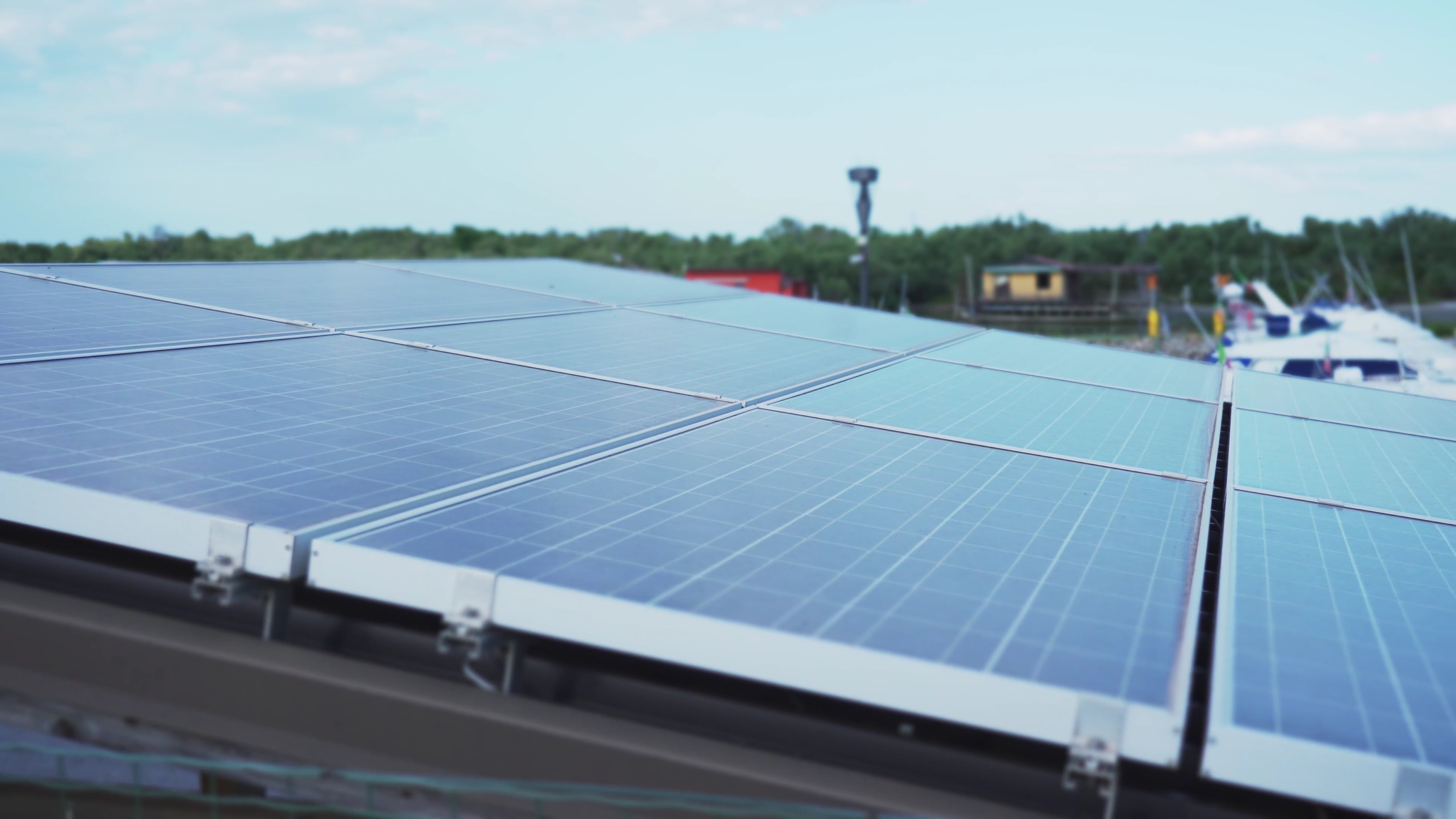
Sun Worx installation
What is included
One design, one schedule, one warranty contact.
The point of doing both at once is that nothing is anyone else’s problem.
A single design
Array layout and storage sizing solved against the same twelve months of usage, so the battery is aimed at hours the panels can actually fill.
Premium panels
Premium panels with a 25-year manufacturer warranty, laid out for the planes your roof really has.
Enphase microinverters
Panel-level production, rapid shutdown at each module, and no single inverter whose failure takes the roof offline.
Enphase or FranklinWH storage
Sized from your circuit list, with whole-home or essential-loads backup decided before the order goes in.
One permit package
Solar and storage submitted as one set of plans and one interconnection application, so the reviews run side by side.
One phone number after
Production, backup and workmanship all come back to us. Nobody gets handed off to a second contractor.
How it works
Six stages for the combined build.
Same calendar shape as solar alone, with the storage decisions made up front.
- 01
Usage and outage history
Twelve months of bills tell us what to build. How often your street loses power tells us how much of the house to protect.
- 02
Combined design
One drawing set covering modules, microinverters, cabinet placement, transfer equipment and the protected subpanel.
- 03
Numbers and options
Financing available on approved credit. We will help you find a monthly payment that fits, and walk you through your options at your free quote — no pressure.
- 04
Permitting both halves
A single plan check and one utility application covering generation and storage, which is where most of the waiting happens.
- 05
Install week
Roof work first, then the electrical side: cabinet, transfer gear, conductors, labelling. Two or three days for most homes.
- 06
Inspection, PTO, drill
City sign-off, permission to operate, then we cut the main and watch the house carry itself before we hand over the app.
Equipment and warranty
The full stack, and who stands behind each piece.
All electrical and roofing work is performed by appropriately licensed professionals.
Money and rules
How the programs treat a combined system.
Storage is where most of the remaining money sits. SMUD runs battery rebates of up to $6,000 for qualifying customers, and the Self-Generation Incentive Program continues to fund storage statewide, weighted toward medically vulnerable households and high fire-threat areas. On the solar side, the 30% federal credit for a purchased system ended December 31, 2025, while some lease and PPA arrangements owned by a third party can still apply a federal credit through 2027. California also excludes active solar energy systems from property reassessment.
None of that is automatic. Eligibility depends on your utility, your address and sometimes your household, and we verify all three at the quote rather than after the contract.
Questions
What people ask about doing both.
Is it cheaper to do them at the same time?
It avoids duplicated work — one permit set, one inspection round, one mobilisation, and conductors sized once for the final system instead of twice.
How much of the house can we back up?
That is a design choice. Whole-home keeps everything behaving normally; an essential-loads subpanel protects the short list for less hardware. We show both before you pick.
Will the panels charge the battery during an outage?
Yes, that is the point of the pairing. The array refills storage through the day so the evening starts full again.
Does the battery change how the panels are laid out?
Sometimes. If most production needs to go into storage rather than out to the grid, the best-performing plane can matter less than the smoothest curve across the day.
Can we start with solar and add storage next year?
You can, and microinverters make it straightforward. Say so during design and we leave the electrical room for it instead of rebuilding later.
Where to read further.
One quote for both halves.
Send your usage, your utility and how often your street goes dark. We come back with a combined design.
Based in Sacramento, serving Northern California. Call or text 510-773-1922 or email sunworxca@gmail.com.